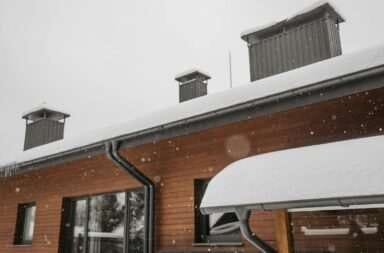
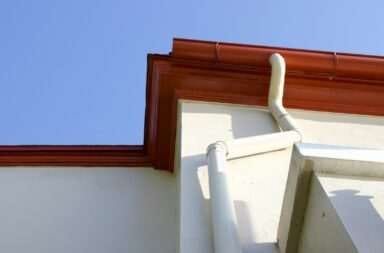
Signs of roof gutter damage usually show up as overflowing water, sagging gutters, paint peeling on siding, or wet spots around the foundation. When gutters are cracked, clogged, or pulling away from the roof, they can’t direct water safely away from your home. Instead, water spills over the edges, backs up under shingles, or runs straight down exterior walls.
Someone who notices frequent gutter overflow, rust spots, visible gaps, or standing water near the home after rain is almost always seeing early telltale signs of gutter issues. Catching these gutter problems quickly helps protect the roof, fascia boards, basement, and landscaping from slow but costly damage.
Introduction to Gutter Systems
A gutter system looks simple from the ground, but it’s actually a key part of how a house handles water. The basic job is straightforward: collect rainwater from the roof’s edge and move it safely away from your home.
Most homes use horizontal gutters along the eaves and vertical downspouts that carry water down to ground level. From there, the water should exit on a splash block, into a drain pipe, or at least several feet away from your home. If that last step fails, that’s when basements and crawl spaces start getting damp.
How gutters protect a home
When gutters work right, they:
- Keep water from constantly soaking the siding.
- Help prevent soil erosion right next to the foundation.
- Reduce the chances of leaks where the roof meets the walls.
- Protect fascia boards and soffits from rot.
A well‑sloped gutter also stops water pooling on the roof’s edge, which can sneak under shingles and cause roof decking to soften over time. It doesn’t look dramatic at first, but it adds up.
Typical parts of a gutter system
Even for someone who’s not technical, it helps to know a few basic parts, because signs of damaged gutters often show up in these spots first:
- Gutter runs – the long channels that catch water.
- Downspouts – vertical pipes that carry water to the ground.
- Elbows – angled pieces at corners and the bottom of drain pipes.
- End caps – close off the ends of gutters.
- Hangers or brackets – hold gutters up against the fascia.
If a hanger pulls loose, the gutter may start to sag. If an end cap cracks, that’s where leaks often show up. And if a drain pipe elbow gets clogged, water backs up and spills out over the gutter edge.
Why understanding damage signs matters
Most homeowners don’t check their roof every week. They might only really look up when there’s a heavy storm, or when they notice paint bubbling on a wall. By then, water has usually been misbehaving for a while.
Recognizing early signs of damaged gutters, like minor sagging, a bit of rust, or small gaps, gives them a chance to fix small problems instead of paying for a foundation repair or tear‑out of moldy drywall later. That’s the whole reason a roofing or gutter professional talks so much about “maintenance” in the first place: they’ve seen what happens when those first signs get ignored.
Causes of Gutter Damage
Gutters rarely fail all at once. Damage builds up from a handful of common causes, some slow and boring, some very sudden.
Weather and seasonal stress
Heavy rain, snow, and ice are rough on gutter systems. In colder climates, ice can form inside a clogged gutter and add a surprising amount of added weight. Over time, that added weight pulls hangers loose and makes the gutter tilt forward.
Strong wind can bend thin metal gutters or shake fasteners loose. In storms with debris, drain pipes sometimes get jammed by small branches, roof grit, and even kids’ toys that somehow ended up on the roof.
Clogs from leaves and debris
Clogged gutters are probably the number one reason damage starts. When leaves, needles, and dirt fill the channel, water can’t flow down to the drain pipe. Instead, it pools and spills over.
That stagnant water speeds up rusting on metal gutters and can make the seams fail faster. On seamless aluminum gutters, it still causes staining and corrosion at the corners or around screws.
Age and material fatigue
Nothing on a house lasts forever, and gutters are no exception. As they age, metal can thin, seams can separate, and gutter sealant dries out and cracks.
Older galvanized steel systems, for example, often show orange rust streaks long before they actually fall apart. Vinyl gutters usually don’t rust, but they can warp or become brittle in strong sun, then snap under snow load.
Poor installation or design
Sometimes the problem starts on day one. If gutters were installed with the wrong slope, water moves too slowly and tends to sit in certain spots. That puddling area then rusts first or starts to sag.
Other common installation issues include:
- Too few hangers, so the run can’t support heavy rain.
- Drain pipes that are too small for the roof size.
- Joints sealed poorly, which leak early.
If the house was remodeled and an addition changed the roof layout, the old gutter system may simply not be sized right anymore.
Physical impact and neglect
Tree branches scraping the roof can dent the gutter lip or puncture thin metal gutters and cause roof damage. Ladders leaned directly on the gutter can crush the front edge. And kids’ basketball hoops mounted on fascia boards add vibration and stress that the gutter hangers weren’t designed for.
Neglect adds its own kind of damage. When a small leak or loose bracket isn’t fixed, water runs behind the gutter, causing wood rot in the fascia board. Once that wood softens, the screws holding the gutters have nothing solid to bite into, so the entire run can suddenly sag or fall.
All of these things show up as signs of damaged gutters that, if someone knows what to look for, can be caught surprisingly early.
Signs of Gutter Damage
Signs of damaged gutters don’t always scream for attention. Sometimes they whisper. A stain here, a drip there. But they’re there, if someone takes a slow walk around the house after a storm.
Visible sagging or pulling away
One of the easiest common signs to spot is sagging gutters. If the gutter line doesn’t follow the roof’s edge in a fairly straight, gentle line, something’s off.
- Sections that bow downward hold water.
- Corners that dip are almost guaranteed to leak.
- Gaps between the gutter and fascia mean the fasteners or fascia are failing.
From the ground, it might look like the gutter is just a bit crooked. Up close, that usually means the hangers are loose, the screws are pulling out of rotten wood, or the gutter is overloaded.
Overflow during light or normal rain
If water is pouring over the edge in a heavy thunderstorm, that’s not good, but it’s at least understandable. When it happens during a normal rain, that’s a major obvious sign.
Overflowing gutters point to one of three things:
- Blocked gutters.
- A blockage in the drain pipe.
- Not enough downspouts for the roof size.
Someone might even see dirty streaks or mud splashes low on the siding where water has been beating against it. That’s the gutter shouting for help.
Leaks, drips, and water stains
Leaking seams or corners are another common sign. After a storm, a homeowner might notice:
- Drips from the underside of the gutter.
- Wet streaks running down the siding just below a corner.
- Dark or discolored patches on brick, stucco, or wood.
On the ground, there may be washed‑out mulch, bare soil, or little trenches under the eave line. This shows water is consistently escaping where it shouldn’t.
Peeling paint and rotting wood
When water runs down the same spot on a wall over and over, paint starts bubbling, peeling, or flaking. Fascia boards can swell or look wavy.
If someone taps that wood with a screwdriver handle and it sounds dull or feels soft, that’s early wood rot. A functional gutter should keep that area bone dry most of the time, so any repeated moisture there is suspicious.
Interior signs
Some gutter problems don’t show up outside first. Inside, a homeowner might see:
- Signs of mold growth like damp or moldy smells in a basement or crawl space.
- Hairline cracks in drywall near corners by exterior walls.
- Slightly warped baseboards or flooring next to outside walls.
These signs don’t prove the gutter system alone is at fault, but when they appear along with obvious signs of damaged gutters outside, the connection becomes very likely.
Foundation and yard clues
Pooling water near the foundation after rain, especially on one side of the house, often points back up to the gutters on that side. Over time, soil can sink there, or a narrow trench forms where water keeps pouring straight down.
Landscape beds under damaged gutters may look beaten up or completely washed out. Ironically, homeowners sometimes think it’s just “bad soil” when what they really have is a lack of proper drainage tied to failing gutters.
Recognizing this bundle of symptoms, sagging, leaks, stains, and ground erosion, helps them read the story the house is quietly telling about its gutters.
Gutter Inspection and Maintenance
Catching signs of damaged gutters early depends a lot on simple, regular gutter maintenance. It doesn’t require fancy tools, just some care and a bit of caution.
How often to inspect gutters
Most roofing professionals suggest at least two basic gutter inspections a year: once in the spring and once after the bulk of the leaves fall. Homes under tall nearby trees might need a quick look more often, especially after big storms.
Major weather events, hail, strong wind, or heavy snow, are also a good cue. That’s when hangers can loosen, seams split, or debris piles up fast.
Safe ways to check gutters
Safety comes first. A sturdy ladder, set on level ground, and someone nearby to steady it is important. Gutters should never be stood on or used to support weight. They’re not made for that and will bend or rip loose.
From the ladder, a homeowner can:
- Look for stagnant water in the gutter channel.
- Check for cracks, holes, or separated seams.
- Gently wiggle the gutter to see if it feels solid.
- Make sure downspouts are firmly attached and not crushed.
On the ground, walking the perimeter and watching how water flows during a light rain is one of the simplest and best inspection methods.
Basic cleaning steps
Keeping gutters and downspouts clear is the foundation of gutter maintenance. A simple routine might look like:
- Scoop out leaves and other debris with a small plastic scoop or gloved hands.
- Drop the debris into a bucket instead of throwing it on the lawn.
- Rinse the gutter with a garden hose, starting near the downspout.
- Check that water is draining properly out of the bottom of the downspout.
If water backs up or comes out weak, there’s likely a clog inside the downspout that needs to be cleared with a garden hose under stronger pressure, a plumber’s snake, or by disassembling the elbow.
When to call a professional
Some maintenance is simple. But if a homeowner sees:
- Long stretches of sagging gutters.
- Signs of rot in fascia boards.
- Multiple leaking seams or corners.
- Gutters pulling away from the house in several places.
Then it’s usually time to bring in a roofing or gutter specialist. Professionals can safely work at height, check roof’s edge, and repair gutters or do gutter replacement on damaged sections so the problem doesn’t just shift down the line.
Regular inspections and small fixes cost some time and money, but compared with costly repairs, they’re almost always the cheaper, calmer option.
Preventing Gutter Damage
Preventing problems is always easier than dealing with wood rot, mold growth, basement flooding, or foundation damage down the road. And while no system is bulletproof, there are several factors to consider in protecting gutters from early failure.
Keep gutters and downspouts clear
Clean, open channels are the first defense. When leaves and grit are removed before they build up, water moves quickly and doesn’t have time to sit and cause rust or seep under shingles causing roof damage.
For many homes, gutter cleaning twice a year is enough. Heavily wooded lots may need three or four times. It might sound like a hassle, but compared to the cost of expensive repairs for water damage, which can easily run into thousands, it’s a small trade‑off.
Trim trees and manage debris
Overhanging branches from nearby trees don’t just drop leaves. They drop sticks, seeds, pinecones, and sometimes whole limbs during storms. All of that lands on the roof and washes into gutters.
By trimming branches back from the roof’s edge, homeowners:
- Reduce debris load.
- Lower the chance of impact damage.
- Decrease mildew growth by letting in more sunlight.
This one step often cuts gutter cleaning needs significantly, especially in neighborhoods with large, mature trees.
Consider gutter guards (with realistic expectations)
Gutter guards can help, but they’re not magic. There are screens, covers, foam inserts, and micro‑mesh systems, each with pros and cons.
Good guards can:
- Keep large debris out.
- Reduce how often full gutter cleanings are needed.
- Help prevent future clogs in downspouts.
But they still need checking, and fine debris like shingle grit or pine needles may build up over time. A homeowner who install gutter guards and then forgets the system for five or ten years often ends up with a hidden mess.
Ensure proper gutter slope and support
A slightly wrong pitch can create big headaches. Gutters should have a gentle slope toward downspouts, just enough that water doesn’t sit.
If a section regularly holds pooling water even after light rain, it probably needs to be re‑pitched or have another hanger added. Hangers should be spaced close enough (often every 2–3 feet, depending on the product) to support the weight of water and debris.
Use quality materials and repairs
Cheaper materials sometimes save money up front but fail sooner. Thicker‑gauge aluminum, properly coated steel, and high‑quality gutter sealant tend to withstand real‑world weather better.
When a small hole or crack appears, patching it with compatible materials, rather than whatever is in the garage, helps the repair last longer and prevents nearby sections from starting to fail too.
Taking these steps doesn’t mean a homeowner will never see signs of damaged gutters again. But it does stretch the life of the system and keeps most gutter issues small instead of letting them snowball.
Consequences of Ignoring Gutter Damage
Ignoring signs of damaged gutters is a bit like ignoring a slow leak under a sink. It doesn’t look dramatic, until suddenly it is.
Damage to fascia, soffits, and roof edges
When gutters drip or overflow, water often runs behind them. Over time, this soaks the fascia boards and soffits. The paint peels first, then the wood swells and softens.
Rotten fascia can’t hold screws or hangers, so gutters start to pull away even more, which makes the drip worse. In some cases, water finds a path up under the shingles, wetting the roof deck near the eave.
This can eventually lead to:
- Delaminated plywood or OSB roof decking.
- Ice dams along the edge in colder regions.
- Early failure of shingles at the gutter line.
Foundation problems and basement leaks
Unchecked gutter issues often show up as foundation damage later. When water repeatedly falls near the same home’s foundation, it slowly washes soil away and can increase pressure on walls.
Over time, this may lead to:
- Hairline cracks in foundation walls.
- Water seepage into basements or crawl spaces.
- Slab settlement or uneven floors.
Insurance industry data and home inspection reports both point to poor drainage and failed gutters as a frequent factor in moisture‑related structural issues.
Interior mold and air quality issues
Moisture that enters a basement, crawl space, or wall cavity doesn’t just stay there politely. It can feed mold growth, which then affects indoor air quality and can lead to pest infestations.
People in the home might notice musty smells, increased allergy symptoms, or visible mold on baseboards and lower walls. Drying and remediating mold areas is far more disruptive and expensive than repair gutters early.
Damage to landscaping and exterior finishes
Landscaping right under overflowing gutters takes a beating. Mulch gets displaced, plants are crushed, and soil erodes away.
Siding and brick also suffer. Constant water exposure can cause:
- Siding damage such as paint failure and wood rot on wood siding.
- Efflorescence or staining on brick and masonry.
- Rust streaks on metal surfaces and fasteners.
Eventually, what started as a simple drip in a corner gutter turns into repairs across multiple parts of the home’s exterior.
Higher long‑term repair costs
The financial side is pretty straightforward. Small tasks like resealing a corner or re‑hanging a sagging section cost far less than replacing gutters, repairing roof damage, or digging up a foundation wall.
When homeowners respond quickly to signs of damaged gutters, they’re not just protecting the house. They’re protecting their budget, too, from the shock of major, avoidable expensive repairs later on.
Importance of Functional Gutters
Gutters don’t get much attention compared with a new roof color or fancy front door, but they quietly protect a big part of the home’s value.
A key part of the drainage system
Roofs shed a huge amount of water. Even a modest roof can divert thousands of gallons of rainwater off it over the course of a season. Without functional gutters, much of that water ends up right at the base of the house.
Functional gutters work together with grading, drainage pipes, and sometimes sump pumps to create a controlled path for water. If the gutter link in that chain fails, the rest of the system has to pick up the slack, or it just doesn’t.
Protecting structure and energy efficiency
By keeping water away from walls and foundations, good gutters help maintain the structural integrity of the home. Dry walls and insulation perform better, helping keep indoor temperatures stable.
When moisture sneaks into walls or attics because of gutter problems, insulation loses effectiveness. The heating and cooling system then has to work harder to keep the same comfort level, which quietly raises energy bills over time.
Preserving curb appeal and resale value
Peeling paint, stained siding, and visible damage around the roofline all send a clear message to visitors and potential buyers: maintenance has been deferred.
Real estate agents often mention water management as a concern during home sales. Obvious signs of damaged gutters and roof damage during a showing can lead to lower offers or requests for repair credits.
On the other hand, tidy, well‑maintained gutters and clean downspouts signal that the rest of the home has likely been cared for, too.
Peace of mind during storms
There’s a more personal side to all this. When homeowners know their gutters are in good shape, heavy rain becomes less stressful.
Instead of watching water drip down the walls or form pooling water next to the house, they can feel reasonably confident that the system is doing its quiet, necessary job. Functional gutters don’t make the weather nicer, but they do blunt its impact on everyday life inside the home.
Identifying Broken Gutters
Spotting truly broken gutters, those that need more than just a quick cleaning, means looking a little closer at the signs already discussed and judging their severity.
Distinguishing surface issues from real failure
Not every stain or small leak means the gutter is done for. Some issues are mostly cosmetic or easily fixed, such as:
- Minor discoloration on the outside of the gutter.
- A small drip at a seam that stops after resealing.
- Slight unevenness that doesn’t trap water.
Broken gutters, on the other hand, usually show one or more of these stronger telltale signs:
- Large sections pulling away from the fascia.
- Persistent stagnant water in several spots.
- Multiple holes, cracks, or torn metal.
- Downspouts crushed or completely disconnected.
If you notice water spilling behind the gutter, not just over the front, there’s often deeper damage to the fascia or hangers as well.
What to check during a close‑up look
During a more careful gutter inspection, a homeowner or professional will often:
- Check inside the gutter for rust flakes, pitting, or soft spots.
- Press gently on suspicious areas to feel for weakness.
- Look under the gutter for water trails or greenish algae growth.
- Confirm that each hanger or bracket is tight and anchored into solid wood.
They may also look at the roof’s edge, checking for shingle damage, exposed nails, or warped decking right where the gutter meets the roof. Broken gutters and roof damage often travel together.
When repair is possible vs. when replacement is smarter
Short sections with damage, like a cracked corner or a torn end cap, can sometimes be repaired or replaced without redoing the whole system.
Repairs to repair gutters make sense when:
- The majority of the gutter run is straight and solid.
- Rust or corrosion is limited to small areas.
- Fascia wood is still in good condition.
Gutter replacement becomes the better choice when:
- Long stretches are bent, twisted, or deeply rusted.
- Multiple joints keep failing even after resealing.
- The gutters are undersized or badly designed for the roof.
In those cases, putting money into patching an old, failing system is like patching a cracked bucket: it buys time, but the basic problem remains.
Using signs of gutter damage as an early warning system
For most homeowners, the goal isn’t to become a gutter expert. It’s to learn enough to know when something isn’t right.
Focusing on the common signs of damaged gutters, sagging lines, overflow, leaks, stains, and foundation dampness, they can act earlier rather than later. Whether they choose a DIY fix or bring in a roofing specialist, that awareness is what keeps a small, inexpensive problem from turning into a serious water damage headache across the rest of the home.
Frequently Asked Questions About Signs of Gutter Damage
What are the most common signs of damaged gutters homeowners should look for?
The most common signs include sagging or bowed sections, gutters pulling away from the fascia, overflow during normal rain, leaks at seams or corners, paint peeling or rotting fascia boards, water stains on siding, pooling water near the home’s foundation, and washed‑out landscaping below the eaves.
How can I tell if gutter overflow is just from heavy rain or a real problem?
If gutters only spill over during extremely heavy downpours, capacity may be the issue. But overflow during light or normal rain almost always points to clogs, undersized downspouts, or poor slope. Dirty streaks on siding and trenches in the soil under the eaves confirm a lack of proper drainage, not just heavy weather.
How often should I inspect my gutters for signs of damaged gutters?
Inspect gutters at least twice a year, in spring and after most leaves have fallen. Homes with tall trees or harsh weather may need additional checks after major storms. During each inspection, look for sagging, excess water, loose hangers, visible gaps, rust, and any water paths on walls or near the home’s foundation.
Can clogged gutters really cause foundation and basement problems?
Yes. When clogged gutters overflow, water repeatedly falls close to the home’s foundation. Over time, this can erode soil, increase hydrostatic pressure on foundation walls, and lead to cracks and seepage. The result may be basement flooding, mold growth in crawl spaces, uneven floors, and costly repairs that far exceed basic gutter maintenance.
What is the best way to prevent signs of damaged gutters from appearing?
Prevention starts with regular gutter cleaning of gutters and downspouts, usually twice a year or more under heavy nearby trees. Also trim back overhanging branches, maintain proper gutter slope and hanger spacing, consider install gutter guards that are quality, and repair small leaks or loose brackets quickly so they don’t progress into fascia rot and significant damage.
When should I repair gutters myself and when should I call a professional?
DIY is reasonable for simple tasks like gutter cleaning, resealing a small leak with gutter sealant, or tightening one or two loose brackets, provided ladder safety is followed. Call a professional if you see long stretches of sagging gutters, multiple leaking corners, signs of rotten fascia, undersized or poorly sloped runs, or blocked gutters you can’t clear.