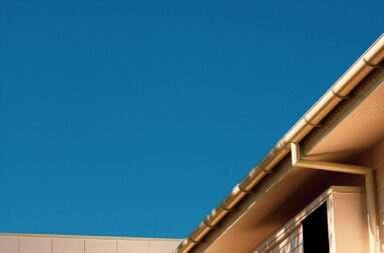
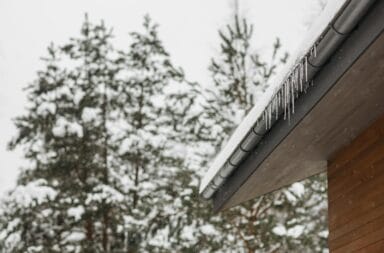
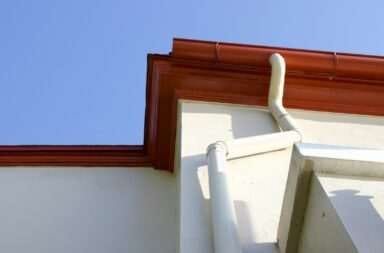
Gutter materials, styles, and home complexity all affect gutters cost. Most homeowners choose aluminum gutters because they balance durability, appearance, and price. Aluminum seamless gutters typically range from $6–$12 per linear foot installed. Vinyl gutters are the cheapest option but usually have a shorter lifespan. Premium options like copper gutters, zinc gutters, and steel gutters offer excellent corrosion resistance and higher curb appeal, but they come with a higher cost.
For a typical single-family home, average gutter installation costs usually fall between $1,200 and $3,000 for new gutters, including downspouts, end caps, splash blocks, and other essential components. Larger gutters, multiple stories, existing gutters removal, and extreme weather considerations can all raise the overall expense. A free estimate from a contractor is the best way to determine the total cost for your home.
Below, this guide explains different gutter materials, styles, and the factors that cause prices to vary widely, helping homeowners make a confident and informed decision.
Introduction to Gutters
Gutters sit at the edge of the roofline and continually protect the home’s foundation by channeling water away from siding, walls, and landscaping. When gutters function properly, most homeowners rarely notice them. When they fail, signs like basement flooding, mold growth, soil erosion, and peeling paint quickly appear.
A complete gutter system collects rainwater from the roof and moves it safely away using horizontal runs, downspouts, and elbows. Without this system, heavy rain and heavy rainfall can cause water damage and long-term structural issues.
Installing gutters correctly is critical for performance. Proper slope, secure hangers, sealed joints, and correctly placed downspouts all influence how well the system handles water. Regular gutter cleaning and inspecting for rust, sagging, and blockages caused by leaves and other debris are equally important.
- Horizontal gutters along the roof edge
- Downspouts that move water away from the foundation
- End caps, elbows, outlets, and hangers
Gutter Materials
Material choice plays the largest role in total cost, durability, and long lifespan. Different materials perform better in different climates and budgets.
Vinyl gutters
Vinyl gutters are lightweight, inexpensive, and rust-resistant. They are often chosen by homeowners who want to save money upfront. However, vinyl gutters can crack under extreme weather and typically require more frequent replacement than metal options.
Aluminum gutters
Aluminum is the most common material used today. Aluminum gutters are rust-resistant, lightweight, strong, and available in many colors. Aluminum seamless gutters are especially popular because they reduce leaks and provide long term benefits.
Steel gutters
Steel gutters are stronger than aluminum and are less likely to dent under impact. Galvanized steel gutters use a zinc coating to slow rust. Stainless steel provides excellent corrosion resistance but costs more. Over time, even galvanized steel can rust if not properly maintained.
Copper gutters
Copper gutters are a premium option with unmatched aesthetic appeal. They develop a natural patina and have a very long lifespan. While they come with a higher cost, many homeowners choose copper for historic homes and high-end properties.
Zinc gutters
Zinc gutters also form a protective patina and resist corrosion naturally. Like copper gutters, zinc gutters offer strong curb appeal and durability but fall into the premium option pricing range.
Gutter Types
K-style gutters
K style gutters feature a flat back and decorative front that resembles crown molding. K style gutters hold more water than half round gutters of the same width and are ideal for areas with heavy rain and larger roof surfaces.
Half round gutters
Half round gutters have a smooth, semicircular shape. Half round gutters are common on historic homes and properties where appearance is a priority. Half round systems typically require more frequent cleaning but add strong visual character.
Seamless vs. sectional gutters
Seamless gutters are formed from a single continuous piece of metal. Seamless gutters greatly reduce the risk of leaks and typically last longer than sectional gutters. Sectional gutters are easier for DIY installation, but they have more joints that can fail over time.
Installing seamless gutters usually requires professional installation at the job site using specialized forming equipment. Many contractors recommend seamless gutters for better long term benefits.
Gutter Installation Cost
Gutter installation cost can vary widely depending on many factors. Linear foot measurement, material choice, number of stories, roof pitch, labor costs, and whether old gutters must be removed all affect the final price. Gutter installation may also increase with custom colors, additional features, rain chains, and installing gutter guards.
On average, gutter installation costs range from a little over $1,000 to several thousand dollars. Professional gutter installation ensures proper slope, secure fastening, and long-term performance. Professional installation also reduces the risk of leaks, sagging, and premature failure.
Installing gutters on two-story homes or on complex rooflines will usually increase labor costs and overall cost. The total cost also rises when switching from vinyl gutters to aluminum gutters, steel gutters, copper gutters, or zinc gutters.
Gutter Materials and Costs
Approximate installed cost per linear foot:
- Vinyl gutters: lowest cost per linear foot
- Aluminum seamless gutters: $6–$12 per linear foot
- Galvanized steel gutters: slightly higher than aluminum
- Copper gutters: $25–$40+ per linear foot
- Zinc gutters: similar to copper pricing
Prices vary depending on labor costs, home size, and roof complexity. Always request a detailed free estimate before committing to new gutters.
Frequently Asked Questions About Gutters
What are the most common gutter styles and prices per foot
Aluminum K style gutters are the most common option and usually cost $6–$12 per linear foot installed. Vinyl gutters are cheaper but provide less durability. Copper gutters and zinc gutters fall into the premium option category with higher cost.
How much does a full gutter replacement cost for an average house
Most homeowners spend between $1,200 and $3,000 for new gutters with downspouts and accessories installed. Larger homes and premium materials raise the overall expense.
How do material choices affect overall cost
Material choice strongly impacts gutters cost. Vinyl offers the cheapest option, aluminum provides the best balance of performance and price, galvanized steel adds strength, and copper and zinc provide premium durability and curb appeal.
Are seamless gutters worth the higher price
Seamless gutters offer fewer seams, fewer leaks, and better long term benefits compared to sectional gutters. Many homeowners prefer seamless gutters for reliability.
What is the best gutter option for heavy rain
Five inch and six inch K style gutters made from aluminum or steel with properly sized downspouts perform best for heavy rain and heavy rainfall conditions.
Conclusion
Choosing the right gutter materials and installation method protects the home’s foundation, prevents water damage, and reduces long-term maintenance. Whether you choose vinyl gutters to save money, aluminum seamless gutters for balanced value, or premium copper gutters for maximum curb appeal, proper professional installation makes the biggest difference in how well the system performs over time.